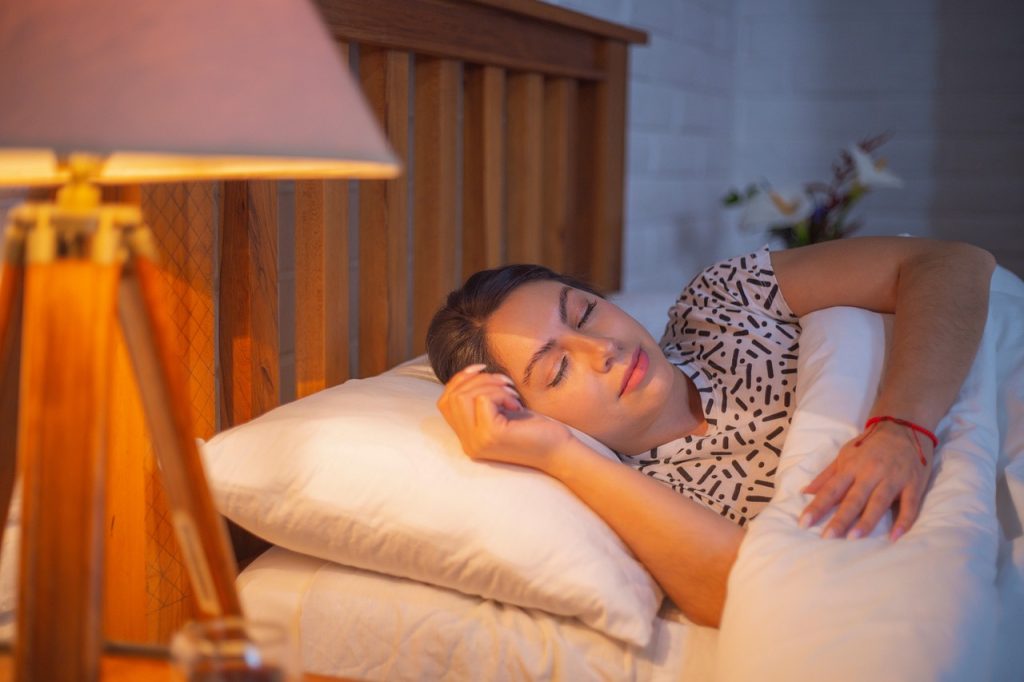
In today’s fast-paced world, getting quality sleep can feel like a luxury. Whether you’re tossing and turning at night or waking up feeling unrested, you’re not alone. The good news? You don’t need sleeping pills or expensive gadgets to improve your rest. These 7 science-backed habits can help you fall asleep faster and sleep more deeply, starting tonight.
1. Stick to a Consistent Sleep Schedule
Your body runs on a 24-hour cycle called the circadian rhythm. When you go to bed and wake up at the same time every day (yes, even on weekends), it trains your body to sleep better.
Science says:
Studies show that irregular sleep patterns disrupt melatonin production, the hormone responsible for sleep regulation.
✅ Try this: Go to bed and wake up within a 30-minute window every day—even on weekends.
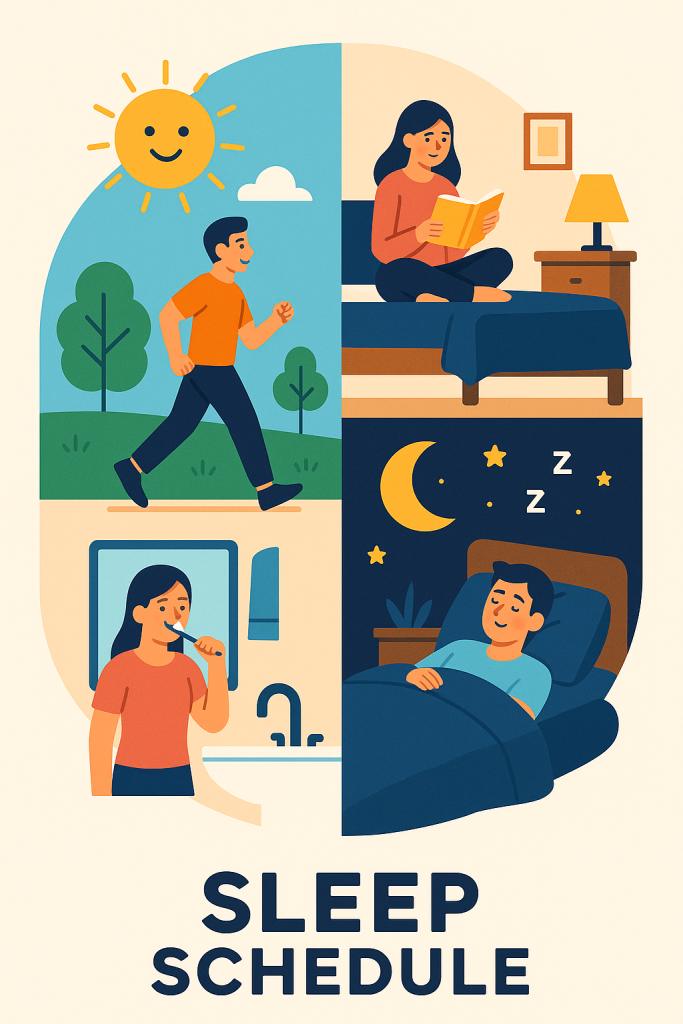
2. Create a Bedtime Wind-Down Routine
Jumping from scrolling your phone to trying to sleep doesn’t work. A calming wind-down routine helps signal your brain that it’s time to rest.
Science says:
Relaxation techniques like reading, stretching, or listening to calming music reduce cortisol (stress hormone) and increase melatonin.
✅ Try this: Spend the last 30–60 minutes before bed doing low-stimulus activities, like journaling or deep breathing.
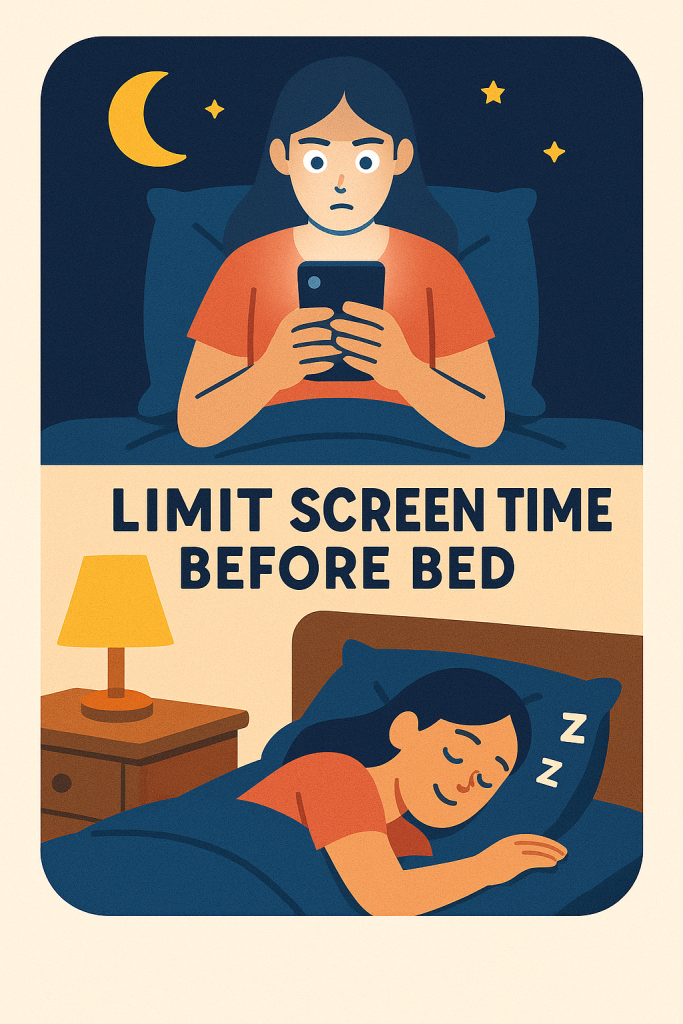
3. Limit Screen Time Before Bed
Your phone, tablet, and TV emit blue light, which tricks your brain into thinking it’s still daytime. This delays melatonin release and makes it harder to fall asleep.
Science says:
Blue light suppresses melatonin production by up to 85% when used before bed.
✅ Try this: Avoid screens at least 1 hour before bed—or use blue light filters or glasses.
4. Keep Your Bedroom Cool, Dark, and Quiet
Your sleep environment has a direct impact on your ability to fall asleep and stay asleep.
Science says:
The ideal bedroom temperature for sleep is between 60–67°F (15–19°C). Darkness stimulates melatonin, and silence reduces sleep disruptions.
✅ Try this:
- Use blackout curtains
- Set the thermostat to a cool, comfortable level
- Use white noise or earplugs if needed
5. Watch What (and When) You Eat
Eating heavy meals or consuming caffeine too close to bedtime can sabotage sleep.
Science says:
Caffeine blocks adenosine (a sleep-promoting chemical) and can stay in your system for 6–8 hours. Late-night meals can cause indigestion and disrupt REM sleep.
✅ Try this:
- Avoid caffeine after 2 PM
- Finish dinner at least 2–3 hours before bed
- Try a light snack like a banana or almonds if you’re slightly hungry
6. Get Morning Sunlight Exposure
Exposing yourself to natural light early in the day helps regulate your circadian rhythm and improve nighttime sleep quality.
Science says:
Morning light suppresses melatonin production during the day and helps it rise at the right time at night.
✅ Try this:
Spend 15–30 minutes outside in natural sunlight shortly after waking up.
7. Exercise Regularly—But Not Too Late
Physical activity increases time spent in deep sleep, the most restorative phase of your sleep cycle.
Science says:
Regular exercisers fall asleep faster and experience fewer sleep disturbances. However, intense workouts right before bed can raise adrenaline and delay sleep.
✅ Try this:
Aim for at least 30 minutes of moderate exercise most days, and finish workouts at least 2–3 hours before bedtime.
💤 Final Thoughts
Sleep is your body’s reset button—and these habits are backed by science to help you press it more effectively. By making small adjustments to your routine and environment, you’ll find yourself falling asleep faster and waking up more refreshed.
Related articles:
Optimize Your Bedroom for Maximum Performance: Unlock the Power of Sleep
Sleep Optimization: Why Quality Sleep Is the Key to a Healthier, Happier Life