In 2025, your smartwatch won’t just count steps or track your heart rate—it’s becoming a full-fledged health and lifestyle companion. As wearable technology advances at lightning speed, the capabilities of smartwatches are expanding in ways we could only imagine a few years ago.
Here’s a look at what your smartwatch will be able to tell you next—and how these innovations are set to revolutionize health, fitness, and productivity.
1. Early Detection of Illnesses
Smartwatches in 2025 are powered by AI algorithms and advanced biosensors that can detect subtle physiological changes. This means your wearable might alert you about potential infections or chronic conditions before symptoms appear.
✅ Example: Detecting respiratory irregularities linked to early-stage COVID-19, flu, or even sleep apnea.
Why it matters: Early detection = early intervention, which can save lives and reduce healthcare costs.
2. Real-Time Stress & Mood Monitoring
Using heart rate variability (HRV), skin temperature, and electrodermal activity, the next-gen smartwatch can now track your emotional state throughout the day.
🔔 Expect notifications like:
“You seem stressed. Consider taking a 5-minute breathing break.”
Bonus: Some watches integrate with mental health apps or offer built-in mindfulness features based on your current mood.
3. Personalized Nutrition Insights
Smartwatches are starting to sync with metabolic trackers, glucose sensors, and gut health data to offer real-time food suggestions.
🥦 Imagine this:
“You need more magnesium today—how about a handful of almonds?”
Next-level integration: Syncing with your grocery list or meal delivery apps to support your dietary goals.
4. Sleep Coaching, Not Just Tracking
Forget generic sleep scores—2025 smartwatches are delivering AI-powered sleep coaching. They don’t just track how you sleep; they provide tailored strategies to improve it based on your chronotype, stress levels, and daily habits.
🌙 Example Tip:
“Based on your recovery data, shift your bedtime 30 minutes earlier tonight.”
5. Non-Invasive Glucose & Hydration Monitoring
One of the most anticipated advances is non-invasive glucose tracking. Companies like Apple and Samsung are working on sensors that can measure blood sugar levels through the skin—no needles required.
💧 Add hydration insights, and your smartwatch becomes a continuous health dashboard on your wrist.
6. Environmental Awareness Alerts
Your smartwatch will soon alert you about your external environment—air quality, UV exposure, noise pollution—and recommend actionable steps.
🌫️ Notification example:
“AQI is high today. Avoid outdoor runs and consider indoor cardio.”
Perfect for athletes, parents, and anyone with allergies or respiratory issues.
7. Work-Life Balance Optimization
Work burnout is a growing problem. In 2025, wearables are focusing on productivity wellness—helping users balance focus time with recovery breaks.
⏱️ Expect features like:
- Smart scheduling reminders
- Movement nudges during sedentary hours
- Focus mode with distraction tracking
8. Seamless Health Data Integration
Thanks to open health ecosystems, your smartwatch now integrates with:
- Your doctor’s EMR system
- Fitness and nutrition apps
- Smart home devices (lighting, air purifiers)
This creates a unified view of your health, accessible via your wrist and sharable with healthcare professionals.
Final Thoughts: Is Your Wrist Ready for the Future?
The smartwatch of 2025 is no longer just a fitness tracker—it’s a lifesaver, health coach, mood tracker, and productivity assistant rolled into one sleek device.
As AI and wearable tech continue to evolve, one thing is clear: the next generation of smartwatches isn’t just smart—it’s intelligent, proactive, and deeply personal.
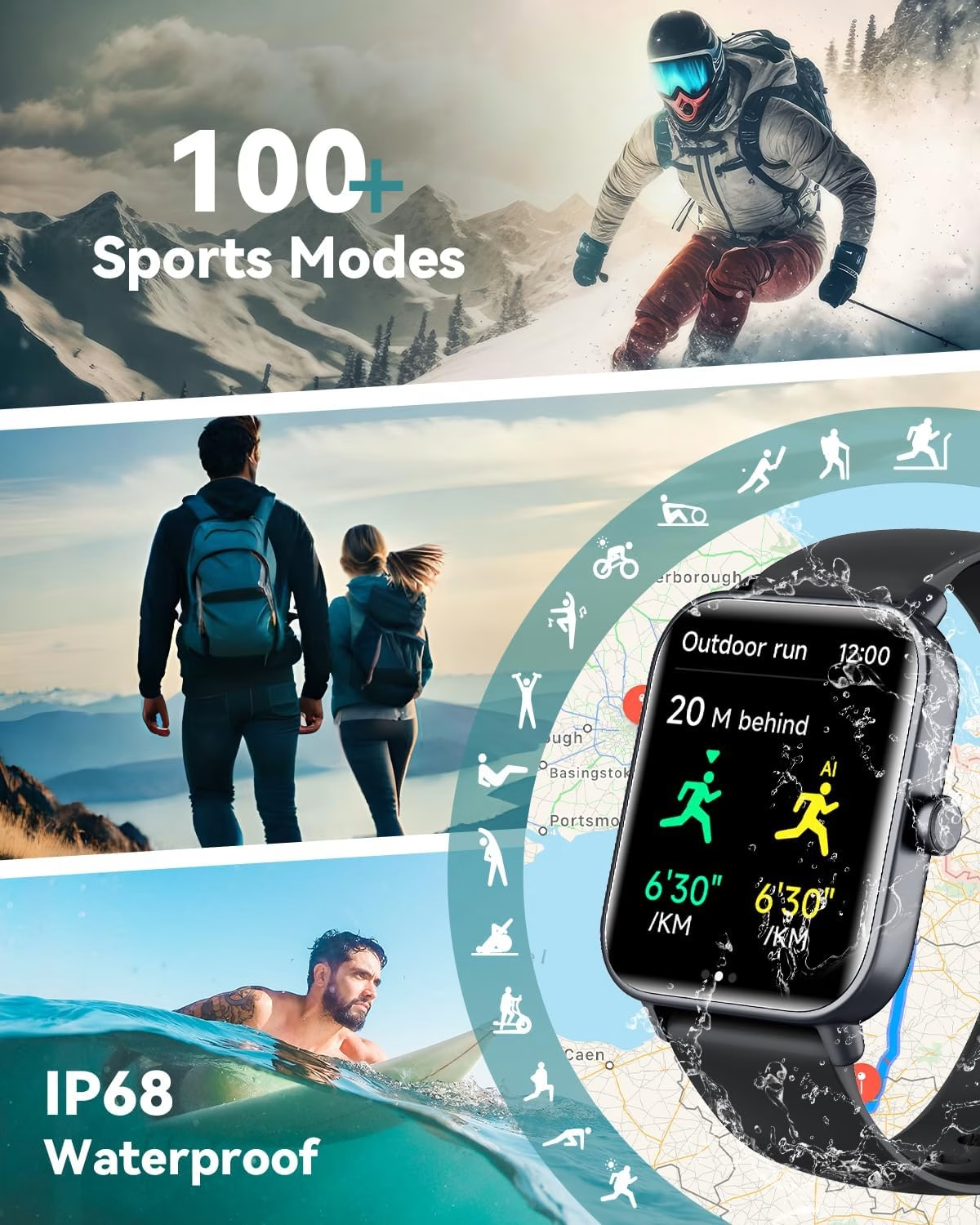
Work with Alexa, Bluetooth Call Make/Answer, IP68 Waterproof, Heart Rate/SpO2/Sleep/Stress Monitor,100+ DIY Dials 105+ Sports Modes, Pedometer/Calories/Distance Record, Alarm Clock, Message Notification, Music Control and so on