Introduction: The Lazy Dilemma
Let’s face it: most Americans live a sedentary lifestyle. Whether it’s sitting through Netflix binges, endless Zoom meetings, or hours on the couch scrolling social media, exercise often takes a backseat. Gyms are intimidating, home workouts require motivation, and most fitness routines are anything but relaxing.
But what if you could get healthier without sweating buckets, lifting weights, or running a mile? Welcome to the world of Tai Chi—a gentle, graceful form of movement that’s been transforming lives for centuries. If you’re a self-confessed couch potato, Tai Chi may be the perfect entry point into a more balanced, energized lifestyle—with minimal effort required.
What Is Tai Chi, Really?
Tai Chi (Tai Chi Chuan) is an ancient Chinese martial art known for its slow, flowing movements and meditative qualities. Originally developed for self-defense, it evolved into a low-impact form of “moving meditation” that supports physical, mental, and emotional health.
Unlike high-intensity fitness fads, Tai Chi doesn’t demand youth, strength, or flexibility. It requires only one thing: your presence. And even that can start with just 5–10 minutes a day.
Why Tai Chi Appeals to the Lazy Lifestyle
Here’s the truth: Tai Chi works for lazy people—not because it’s ineffective, but because it meets you where you are.
✅ No Sweat Required
Tai Chi movements are slow and controlled. You won’t be drenched in sweat or gasping for air. It’s perfect for those who want the benefits of exercise without the intensity.
✅ Done in Small Spaces
Forget gym memberships. Tai Chi can be practiced in your living room, backyard, or even a hallway.
✅ No Equipment Needed
No dumbbells. No yoga mats. No resistance bands. Just stand up and follow along.
✅ Zero Impact on Joints
Ideal for people with joint pain, arthritis, or obesity. Tai Chi is gentle on the knees, back, and ankles.
✅ Mind-Body Integration
While it may look simple, Tai Chi boosts coordination, awareness, and emotional balance—something that repetitive gym workouts rarely offer.
Health Benefits of Tai Chi (Backed by Research)
Don’t let the softness fool you—Tai Chi delivers serious health benefits that rival (and in some cases surpass) more traditional forms of exercise.
1. Improves Balance and Prevents Falls
Studies show that Tai Chi improves proprioception and strengthens stabilizing muscles, especially in older adults. In fact, it’s a common recommendation in fall-prevention programs across the U.S.
2. Boosts Heart Health
Tai Chi may lower blood pressure and improve circulation. It also reduces stress-related inflammation, making it heart-friendly.
3. Supports Mental Health
Tai Chi reduces anxiety, depression, and stress through mindful breathing and rhythmic movement. Practicing even 10 minutes a day can significantly improve mood.
| Source: Frontiers in Psychology (2018)
4. Improves Sleep Quality
Practitioners report better sleep and reduced insomnia after just a few weeks of consistent practice.
5. Aids Weight Control
Although low-intensity, Tai Chi burns calories by engaging the whole body. A 30-minute session can burn about 150–200 calories—comparable to walking at a moderate pace.
A Lazy Person’s Guide to Getting Started
The best part? You don’t need a perfect body, matching workout clothes, or years of training. Here’s how to start Tai Chi today—even if you’re doing it in your pajamas.
Step 1: Start Small—Really Small
Begin with 5 minutes a day. Pick one or two movements and repeat them. Consistency matters more than duration.
Step 2: Find a Beginner Video
YouTube has dozens of “Tai Chi for Beginners” videos under 10 minutes. Look for instructors with calm pacing and clear instructions.
Recommended Search: “Tai Chi for absolute beginners – 5-minute morning routine”
Step 3: Focus on the Breath
Breathe deeply and slowly through your nose. Synchronize your movements with your breath. This turns exercise into relaxation.
Step 4: Use Furniture for Support
Feel unstable? Use the back of a couch or chair for balance until you gain confidence.
Step 5: Practice While Watching TV
During ad breaks, do a couple of Tai Chi moves. This keeps your body engaged without interrupting your downtime.
Sample Tai Chi Routine for Couch Potatoes (5 Minutes)
Here’s a super-simple sequence to try right now:
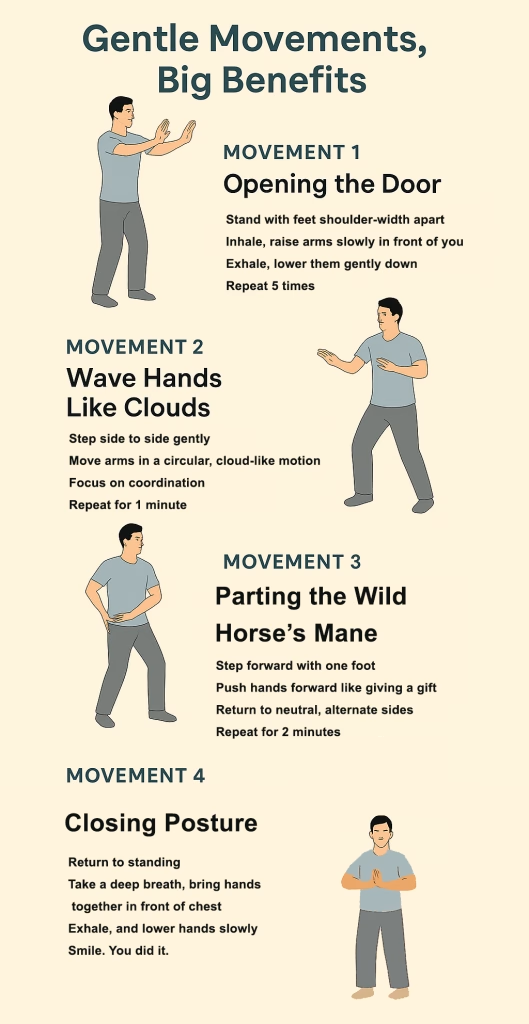
🌀 Movement 1: “Opening the Door”
- Stand with feet shoulder-width apart
- Inhale, raise arms slowly in front of you
- Exhale, lower them gently down
- Repeat 5 times
🌀 Movement 2: “Wave Hands Like Clouds”
- Step side to side gently
- Move arms in a circular, cloud-like motion
- Focus on coordination
- Repeat for 1 minute
🌀 Movement 3: “Parting the Wild Horse’s Mane”
- Step forward with one foot
- Push hands forward like giving a gift
- Return to neutral, alternate sides
- Repeat for 2 minutes
🌀 Movement 4: “Closing Posture”
- Return to standing
- Take a deep breath, bring hands together in front of chest
- Exhale, and lower hands slowly
- Smile. You did it.
Tai Chi vs. Traditional Exercise: Why It Wins for Lazy People
| Feature | Tai Chi | Traditional Exercise |
|---|---|---|
| Time commitment | 5–20 minutes | 45–60 minutes |
| Sweat factor | Low | High |
| Equipment needed | None | Often required |
| Mental relaxation | High | Low to medium |
| Joint impact | Zero | Medium to high |
| Start-from-couchability | ✅ Yes! | ❌ Unlikely |
Success Stories: Real People, Real Results
- Nancy, 62: “I used to avoid exercise due to knee pain. Tai Chi changed everything. I started with 5 minutes and now I feel energized without the aches.”
- Jake, 34: “I work from home and spend 10+ hours at my desk. Tai Chi helped me regain focus and reduced my back pain. It’s the only ‘workout’ I look forward to.”
- Emily, 45: “I was skeptical. But Tai Chi became my stress relief. I do it barefoot in my living room before bed.”
Final Thoughts: Your Lazy Path to Wellness Starts Now
You don’t need to transform overnight. You don’t need a gym membership, a fitness tracker, or a personal trainer. What you need is a moment of willingness—just 5 minutes of your day—to explore movement that is ancient, healing, and shockingly easy to do.
Tai Chi isn’t about how fit you are. It’s about how present you’re willing to be.
So go ahead—stretch, breathe, and flow your way into a healthier you. Even if you’re still wearing sweatpants from yesterday.
| Also read: Mindful Mornings: 7 Simple Habits to Start Your Day with Intention