

Why Gut Health Matters More Than You Think
Your gut is not just responsible for digestion—it plays a key role in immunity, mental health, skin condition, hormone balance, and energy levels. When your gut health is compromised, your body sends warning signals. Ignoring these early signs can lead to chronic digestive disorders and lifestyle diseases.
Let’s explore the most important signs of an unhealthy gut and why you should act early.
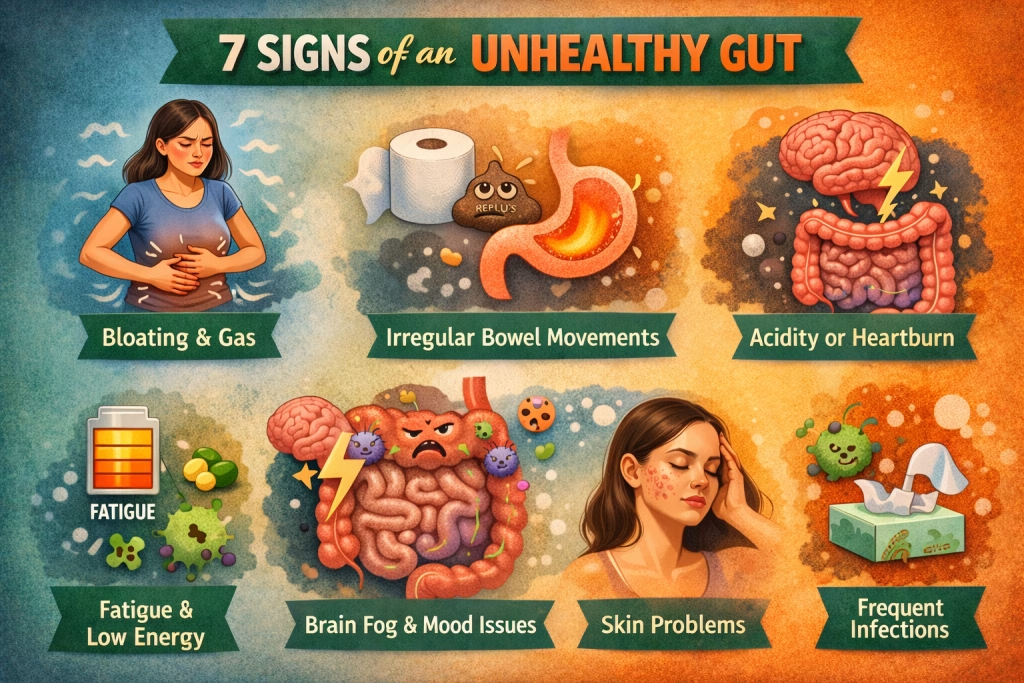
1. Constant Bloating and Gas
Feeling bloated even after eating small meals is one of the most common unhealthy gut symptoms.
Possible causes:
- Imbalance of gut bacteria
- Poor digestion of carbohydrates
- Low stomach acid
👉 A healthy gut should feel light after meals, not tight or uncomfortable.
2. Irregular Bowel Movements
If you experience:
- Chronic constipation
- Frequent diarrhea
- Alternating constipation and loose stools
…it indicates poor gut motility or inflammation.
Healthy digestion usually means passing stool once or twice daily without strain.
3. Frequent Acidity, Heartburn, or Indigestion
Regular heartburn or dependence on antacids may signal:
- Irritated gut lining
- Improper acid balance
- Fermentation of undigested food
⚠️ Long-term acidity can damage the intestinal wall.
4. Persistent Fatigue and Low Energy
If you feel tired even after adequate sleep, your gut may not be absorbing essential nutrients like:
- Iron
- Vitamin B12
- Magnesium
Poor gut health often leads to toxin buildup, causing chronic fatigue.
5. Brain Fog, Anxiety, and Mood Swings
Your gut and brain are closely connected. An unhealthy gut can affect:
- Focus and concentration
- Emotional balance
- Stress response
This is due to disrupted communication along the gut–brain axis.
6. Skin Problems That Don’t Heal
Skin issues often reflect internal imbalance.
Common gut-related skin signs include:
- Acne in adulthood
- Eczema or itching
- Sudden pigmentation
- Dull or lifeless skin
If topical treatments fail, the root cause may be digestive.
7. Low Immunity and Frequent Infections
Nearly 70% of your immune system is located in the gut.
Signs of poor immunity due to gut imbalance:
- Frequent colds and flu
- Allergies
- Slow healing
A weak gut means weaker natural defense.
8. Sudden Food Sensitivities
Reacting to foods you once tolerated—such as milk, wheat, or spicy foods—can indicate:
- Damage to the gut lining
- Reduced digestive enzyme production
Ignoring this can worsen inflammation over time.
9. Strong Sugar and Junk Food Cravings
Unhealthy gut bacteria thrive on sugar and processed foods.
If you constantly crave:
- Sweets
- Bakery items
- Soft drinks
…it may be your gut microbes influencing your appetite.
10. Chronic Bad Breath
Persistent bad breath, even with good oral hygiene, can originate from:
- Poor digestion
- Gut fermentation
- Toxin buildup
It’s not always a dental issue.
What Causes an Unhealthy Gut?
Common triggers include:
- Excessive processed foods
- Antibiotic overuse
- Chronic stress
- Poor sleep
- Sedentary lifestyle
How to Start Healing Your Gut Naturally
Simple steps to improve gut health:
- Eat fiber-rich whole foods
- Include fermented foods
- Reduce sugar and junk food
- Manage stress through breathing or yoga
- Maintain regular sleep cycles
Small daily changes can bring powerful long-term results.
Conclusion: Listen to Your Gut
Your body always warns you before disease sets in. Recognizing the signs of an unhealthy gut early can help you prevent chronic digestive issues, improve energy, and restore overall well-being.
Healing the gut is not about quick fixes—it’s about consistent, mindful lifestyle choices.
Related articles:

