Fasting has taken the health and wellness world by storm. From weight loss to mental clarity, people all over the globe are turning to intermittent fasting and extended fasts to reboot their health. But what most people don’t realize is that fasting affects men and women very differently, especially when it comes to hormones.
Understanding how fasting interacts with our hormonal system is critical—especially if you’re planning to fast long-term or have been struggling with inconsistent results. Let’s explore how fasting impacts hormones, why gender matters, and how both men and women can fast more intelligently and safely.
Why Hormones Matter in Fasting
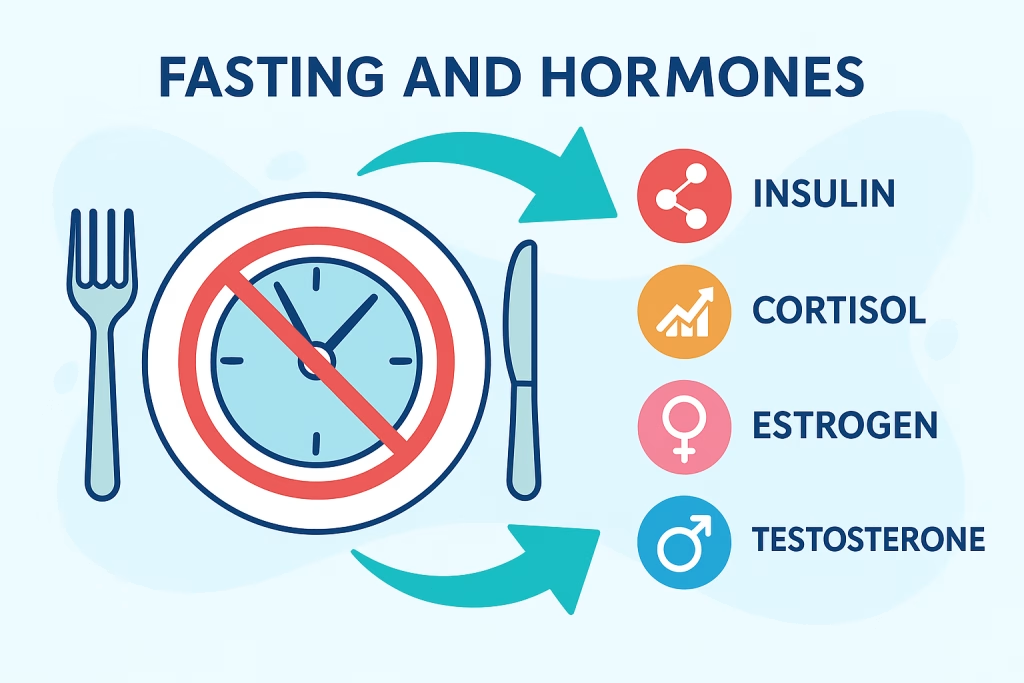
Our bodies run on hormones. These powerful chemical messengers regulate metabolism, hunger, stress, mood, reproductive cycles, and more. When we fast, our hormone levels shift to help the body adapt to a lack of food.
The key hormones affected during fasting include:
- Insulin – Regulates blood sugar and fat storage.
- Cortisol – A stress hormone that helps mobilize energy.
- Leptin and Ghrelin – Control hunger and fullness.
- Estrogen, Progesterone, and Testosterone – Regulate reproductive health, energy, and mood.
Men and women naturally have different hormonal balances, and fasting can amplify or disrupt these differences depending on how it’s approached.
How Fasting Affects Men’s Hormones
Men generally respond well to fasting, especially intermittent fasting (like 16:8 or 18:6). Why? Because male hormones are more stable on a day-to-day basis.
1. Improved Insulin Sensitivity
Fasting helps men reduce insulin levels and become more insulin-sensitive. This can lead to better fat burning, reduced inflammation, and more stable energy.
2. Boost in Human Growth Hormone (HGH)
Fasting triggers a spike in growth hormone, which helps preserve muscle and promotes fat metabolism. This makes fasting a great companion to resistance training and fat loss for men.
3. Testosterone Support
While extreme calorie restriction can lower testosterone, most intermittent fasting protocols actually help support healthy testosterone levels when combined with enough sleep and nutrient-dense food during eating windows.
4. Mental Clarity and Focus
Thanks to the production of ketones (an alternative fuel source), men often report improved concentration and mental sharpness during fasts.
How Fasting Affects Women’s Hormones
Women’s bodies are biologically wired to support reproduction, and hormones fluctuate more widely throughout the menstrual cycle. This means that prolonged calorie restriction can affect female hormone balance more quickly than in men.
1. Sensitivity to Energy Deficits
Women’s bodies are more sensitive to energy scarcity. Prolonged fasting or very low-calorie diets can signal to the brain that the environment isn’t safe for reproduction, leading to:
- Irregular or missed periods (amenorrhea)
- Fertility issues
- Mood swings
- Lowered thyroid function
2. Cortisol Spikes
Fasting is a form of stress. While some stress is good, too much can lead to elevated cortisol. In women, this can cause increased anxiety, poor sleep, and fat storage—especially around the belly.
3. Insulin Response
Women can still benefit from fasting’s insulin-lowering effects, but need to approach it more gently. Overdoing it can backfire, leading to blood sugar crashes or intense hunger.
How to Fast Safely as a Woman
Women can absolutely benefit from fasting—but it needs to be flexible, intuitive, and supportive of hormonal health. Here are some science-backed strategies:
1. Start Slowly
Begin with a 12:12 fast (12 hours fasting, 12 hours eating) and slowly work up to 14:10 or 16:8. Monitor how you feel and adjust accordingly.
2. Avoid Fasting Around Your Period
During the luteal phase (the second half of your cycle), estrogen drops and progesterone rises. This increases hunger and reduces tolerance for stress. It’s okay to eat more during this phase—your body needs it.
3. Support Your Body with Nutrient-Dense Foods
When you do eat, focus on whole foods, healthy fats, protein, leafy greens, and complex carbs. Nutritional density is especially important for women’s hormonal health.
4. Don’t Fast Every Day
Some women do better with alternate-day fasting or fasting just 2–3 days a week. It’s okay to take breaks and listen to your body.
5. If You’re Pregnant, Breastfeeding, or Struggling with Hormonal Imbalances, Skip Fasting
In these cases, fasting can do more harm than good. Always talk to a healthcare provider before starting a fasting regimen.
Fasting for Women Over 40
As women age and estrogen levels naturally decline, fasting can be a helpful tool to improve insulin sensitivity, manage weight, and reduce inflammation. However, because hormone levels are more fragile post-40, gentle fasting (like 14:10) is often more sustainable.
Pair fasting with strength training, adequate protein, and stress management techniques (like yoga or meditation) to get the best results.
Listening to Your Body Is Key
One of the most important lessons in fasting—especially for women—is this: your body knows best. If you’re feeling fatigued, moody, or your menstrual cycle becomes irregular, it’s a sign to pause and reassess your approach.
Fasting isn’t about willpower or discipline—it’s about rhythm, biology, and respect for your body’s needs.
Final Thoughts: Tailor Fasting to Your Biology
Fasting can be a powerful wellness tool for both men and women. But the best approach isn’t a one-size-fits-all model. Instead, it should be personalized to your gender, goals, age, and overall health.
- Men typically thrive on structured intermittent fasting plans with longer fasting windows.
- Women benefit most from a cyclical, flexible fasting schedule that respects hormonal fluctuations.
Whether you’re a man trying to boost energy and muscle, or a woman working toward balanced hormones and improved metabolism, the real magic lies in learning your body’s signals and responding with care.
| Also Read: The Power of Fasting: Health Benefits and the Spiritual Significance in Hinduism