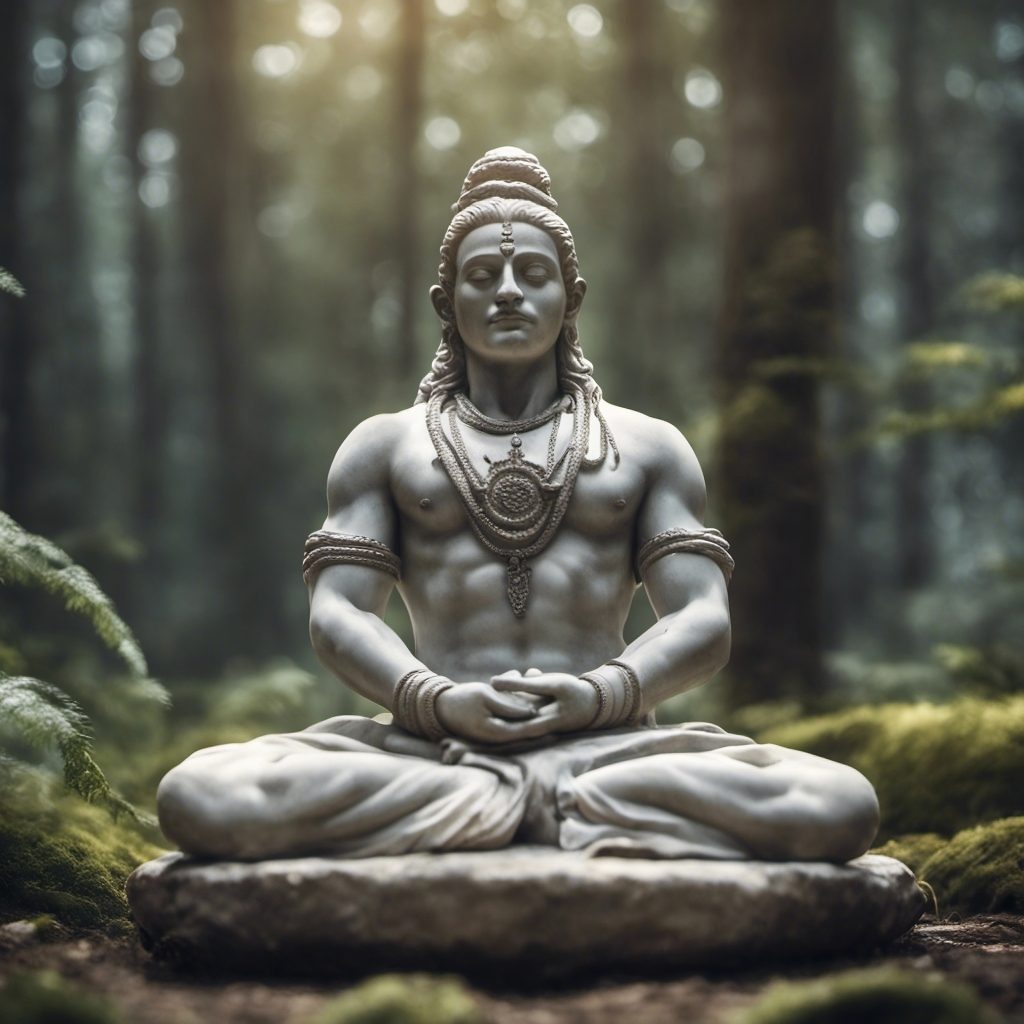
In today’s fast-paced world, stress has become a constant companion. Deadlines, financial pressures, health concerns, and an always-on digital world can leave us feeling mentally and physically exhausted. But what if you could train your mind to respond differently to stress? Enter meditation—an ancient practice that’s more relevant than ever.
Let’s explore how meditation helps reduce stress and how you can start a simple practice today.
What Is Meditation?

Meditation is a practice where you focus your attention and eliminate the stream of jumbled thoughts that may be crowding your mind. It’s not about stopping your thoughts but observing them without judgment. Over time, this mental discipline creates a state of clarity, calm, and emotional balance.
How Stress Affects the Mind and Body
When you’re stressed, your body goes into “fight or flight” mode, releasing hormones like cortisol and adrenaline. While this response helps in emergencies, constant stress can lead to:
- Anxiety and depression
- Insomnia
- High blood pressure
- Digestive problems
- Weakened immune function
Your mind becomes cluttered, and decision-making becomes harder. That’s where meditation comes in.
The Science Behind Meditation and Stress Relief
Modern research backs up what ancient traditions have long known: meditation works.
Here’s how meditation impacts stress:
- Reduces cortisol: Studies show that regular meditation lowers cortisol levels—the primary stress hormone.
- Improves focus and clarity: A focused mind is less likely to spiral into stress-inducing thoughts.
- Enhances emotional resilience: Meditation strengthens areas of the brain responsible for emotional regulation, helping you stay calm under pressure.
- Boosts relaxation: It activates the parasympathetic nervous system (the “rest and digest” mode), helping the body relax and recover.
Simple Meditation Techniques for Stress Relief
You don’t need to be a monk or sit for hours to benefit from meditation. Here are a few beginner-friendly techniques:
1. Mindful Breathing
- Sit comfortably.
- Close your eyes and bring your attention to your breath.
- Inhale slowly through your nose, and exhale through your mouth.
- If your mind wanders (which it will), gently bring it back to your breath.
Do this for 5–10 minutes daily.
2. Body Scan Meditation
- Lie down or sit comfortably.
- Slowly move your attention through your body, starting from your toes to the top of your head.
- Notice any tension, and consciously relax those areas.
This practice helps release physical tension and increases mind-body awareness.
3. Loving-Kindness Meditation
- Sit quietly and silently repeat phrases like:
- “May I be happy.”
- “May I be healthy.”
- “May I be free from stress.”
- Gradually extend these wishes to others—family, friends, and even people you have conflicts with.
This technique cultivates compassion and reduces anger and resentment—two major sources of stress.
4. Guided Meditation
Not sure how to begin? Use apps like Headspace, Calm, Insight Timer, or YouTube to find guided meditations specifically designed for stress relief.
Tips to Build a Consistent Meditation Habit
- Start small: Just 5 minutes a day can make a difference.
- Set a reminder: Meditate at the same time each day—first thing in the morning or before bed.
- Create a calm space: Find a quiet spot where you feel comfortable and won’t be disturbed.
- Be kind to yourself: Your mind will wander. Don’t get frustrated—simply return your attention to the present moment.
Real Results from Real People
Many people who practice meditation report:
- A noticeable drop in anxiety levels
- More patience in daily situations
- Better sleep quality
- A greater sense of inner peace
Meditation is not a magic cure, but it’s a powerful tool you can use anytime, anywhere. It’s about learning to respond—not react—to life’s challenges.
Final Thoughts
Stress may be unavoidable, but how we handle it is up to us. Meditation offers a simple, effective way to reclaim your calm, focus your mind, and nourish your emotional well-being. You don’t need to change your life—just start with a few minutes a day, and let the benefits grow over time.
So take a deep breath, sit down, and begin your journey to a more peaceful you.