The prostate gland might be small—about the size of a walnut—but it plays a big role in a man’s reproductive and urinary health. As men age, the prostate often becomes a topic of conversation, especially when issues like benign prostatic hyperplasia (BPH) or prostate cancer arise. But what exactly does the prostate do, and why is it so important?
Let’s break it down.
What Is the Prostate Gland?
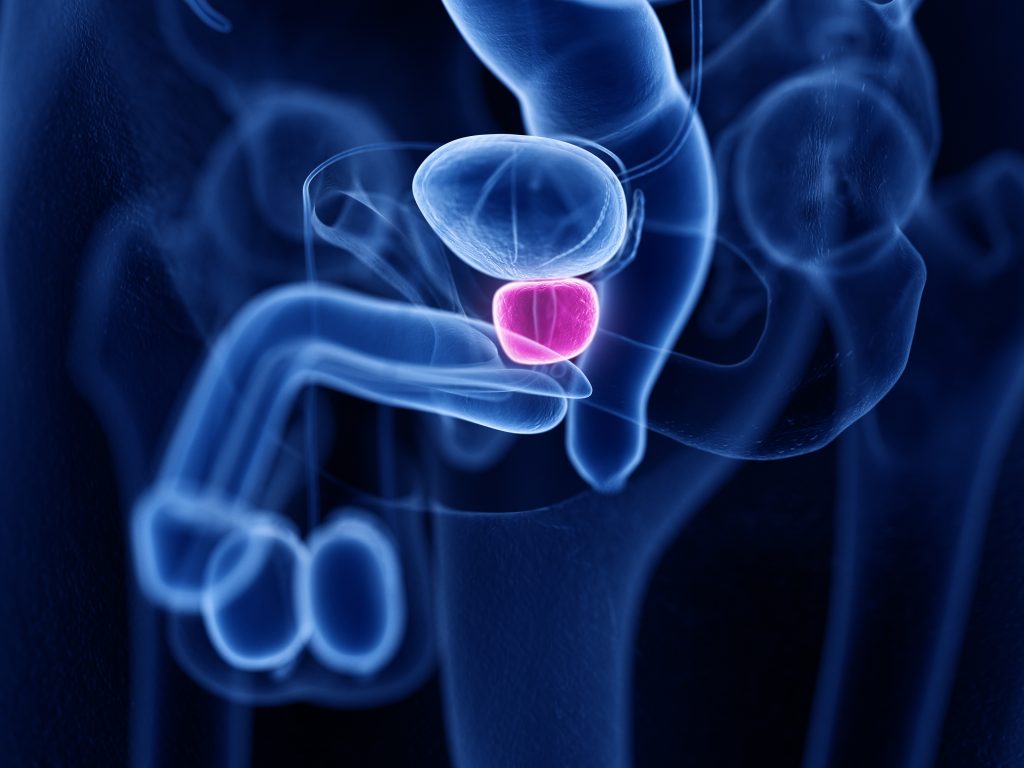
The prostate is a small, muscular gland located just below the bladder and in front of the rectum. It wraps around part of the urethra, which is the tube that carries urine from the bladder out of the body. Because of its position, any change in the size or health of the prostate can directly affect urinary function.
Main Functions of the Prostate
1. Production of Seminal Fluid
One of the primary functions of the prostate is to produce and secrete prostate fluid, which is a key component of semen. This fluid contains enzymes, proteins, and minerals that nourish and protect sperm.
When a man ejaculates, sperm produced in the testicles is mixed with fluids from the prostate and the seminal vesicles. This mixture forms semen. The prostate fluid helps to:
- Protect sperm in the acidic environment of the vagina
- Provide nutrients for sperm cells
- Aid sperm mobility for successful fertilization
2. Support for Ejaculation
The prostate also plays a vital role in the ejaculation process. It contains muscles that help propel semen through the urethra and out of the penis during orgasm. This muscular contraction ensures that semen is expelled with enough force to increase the chances of successful reproduction.
3. Hormone Metabolism
The prostate is involved in the metabolism of male sex hormones, especially testosterone. It converts testosterone into a more potent form called dihydrotestosterone (DHT). DHT is important for the development of male characteristics and also influences the growth and function of the prostate itself.
4. Control of Urination
Because the prostate surrounds the urethra, it plays a role in controlling the flow of urine. A healthy prostate maintains the proper pressure on the urethra. However, if the prostate becomes enlarged (a condition known as BPH), it can squeeze the urethra and cause:
- Frequent urination
- Difficulty starting urination
- Weak urine stream
- Incomplete bladder emptying
Prostate Health: Why It Matters
Taking care of your prostate is crucial for maintaining overall health, especially as men get older. Some common prostate-related conditions include:
- Prostatitis – inflammation of the prostate
- Benign Prostatic Hyperplasia (BPH) – non-cancerous enlargement of the prostate
- Prostate Cancer – one of the most common cancers among men
Tips to Support Prostate Health
- Eat a healthy diet: Focus on fruits, vegetables, whole grains, and lean proteins. Tomatoes, berries, and green tea are particularly good for prostate health.
- Exercise regularly: Physical activity can reduce the risk of prostate issues and improve overall health.
- Stay hydrated: Drink plenty of water throughout the day.
- Limit red meat and processed foods: These can contribute to inflammation.
- Get regular checkups: Especially after age 50, prostate exams and PSA tests can catch potential issues early.
Final Thoughts
The prostate might not be something you think about every day, but it plays a vital role in your reproductive and urinary systems. Keeping it healthy through proper nutrition, regular exercise, and routine screenings is key to long-term wellness.
Remember, early detection of prostate problems can make a huge difference. Don’t ignore changes in urination or sexual function—talk to your doctor if you notice anything unusual.
Natural Prostrate Health Supplement: